
Camping is a great way to slow down, spend time outdoors, and enjoy a change of scenery. Having the right equipment can make the experience more comfortable, especially when it comes to sleeping, preparing meals, staying organized, and handling everyday tasks around the campsite.
You do not need to bring every piece of camping equipment available. Instead, focus on gear that fits your camping style and serves a practical purpose. A short weekend at a developed campsite may require a simpler setup, while longer trips or changing conditions may call for additional equipment.
The right gear can also make campsite routines easier. When your shelter is secure, your supplies are organized, and essential tools are within reach, you can spend less time dealing with equipment and more time enjoying your surroundings.
Whether you are building your camping setup from scratch or upgrading the gear you already have, choosing practical and dependable equipment can make a noticeable difference. Explore Nature Path Expert’s collection of outdoor gear and tools to find useful essentials for your next camping experience.
Shelter and Sleeping Essentials
A reliable shelter is one of the most important parts of any camping setup. Your tent should provide enough space for everyone in your group while offering protection from wind, rain, and changing outdoor conditions. Consider the number of people using it, the expected weather, and how much room you need for personal belongings.
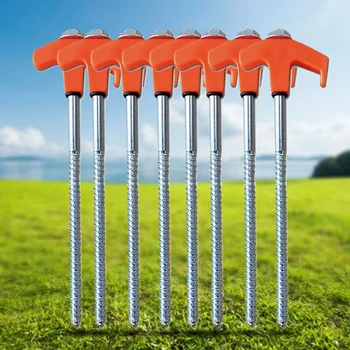
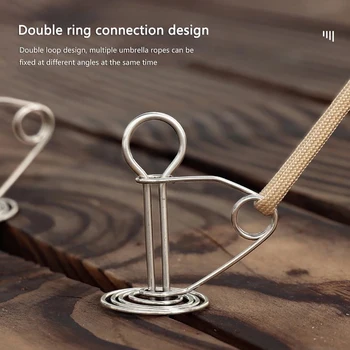
Tent Accessories: Small accessories can help keep your shelter secure and functional. Tent stakes, guy lines, and paracord can be useful for anchoring and adjusting your setup, particularly when camping in areas with wind or uneven ground.
Sleeping Gear: A comfortable sleeping arrangement can make a major difference after a full day outdoors. Sleeping bags, sleeping pads, blankets, and suitable pillows can help create a more restful space and keep you comfortable throughout the night.
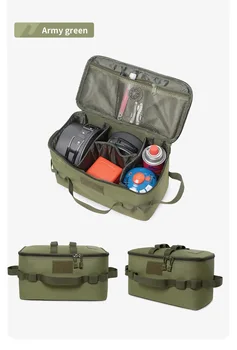
Campsite Storage: Keeping clothing and personal belongings organized can prevent unnecessary clutter inside your tent. Storage bags and compact organizers can help keep smaller items together and make them easier to access.
Taking care of your shelter and sleeping equipment can also help extend its useful life. Allow wet items to dry completely before storing them, clean equipment after muddy trips, and inspect materials regularly for signs of damage or wear.
Cooking and Meal Preparation Gear
Preparing food at a campsite can be an enjoyable part of the camping experience when you have practical equipment available. Your cooking setup will depend on the meals you plan to make and the facilities provided at your campsite.
Cooking Equipment: Basic camping cookware can include pots, pans, utensils, plates, cups, and containers for storing ingredients. Choose equipment that is easy to clean and simple to pack when space is limited.
Food Storage: Proper food storage helps protect ingredients from moisture, dirt, and spills. Sealed containers and organized storage bags can keep food supplies together while making them easier to find when it is time to prepare a meal.
Cleaning Supplies: A small cleaning setup can help keep your cooking area manageable. Bring suitable items for washing cookware and cleaning surfaces, while following the campsite’s rules for water use and waste disposal.
Simple meals are often easier to manage while camping. Rather than bringing every kitchen item you use at home, select only the cookware and utensils needed for the meals you plan to prepare.
Lighting and Useful Campsite Tools
Once the sun goes down, dependable lighting becomes an important part of the campsite. A flashlight, headlamp, lantern, or compact work light can help you move around, prepare food, organize supplies, and handle tasks after dark.
Having a backup lighting option can also be useful during longer trips. Extra batteries or a rechargeable light can provide another source of illumination if your primary light runs out of power.
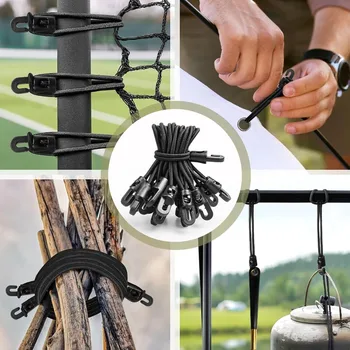
A few versatile tools can also make everyday campsite tasks easier. A compact shovel can be useful for appropriate campsite tasks where permitted, while bungee cords and paracord can help secure or organize equipment.
The goal is not to bring every tool available. Choose equipment that has practical uses during your trip and that you are comfortable using. A small collection of dependable tools can often be more useful than a large amount of specialized gear.
Keeping Your Campsite Organized
A well-organized campsite can make everyday activities easier and help you enjoy your surroundings without unnecessary clutter. Creating simple areas for different types of equipment can also make it easier to keep track of your belongings.
1. Group Similar Items
Keep cooking supplies together, store personal items in one area, and place frequently used tools somewhere easy to reach. Grouping similar equipment makes it easier to find what you need without searching through multiple bags.
2. Use Practical Storage
Storage bags can help keep smaller equipment together while protecting your belongings from dirt and moisture. Choose containers that fit your gear and can be packed efficiently when it is time to leave.
3. Keep Frequently Used Gear Accessible
Items you use throughout the day should be easy to reach. Place commonly used tools, lighting, water, and other essentials where they can be accessed without unpacking everything.
4. Maintain a Clean Campsite
Keep food containers closed, dispose of waste properly, and return equipment to its designated place after use. A clean campsite is easier to manage and helps you leave the area in good condition.
A comfortable camping trip is not about having the most equipment. It is about choosing useful gear that supports the way you camp and gives each item a clear purpose. Reliable shelter, comfortable sleeping supplies, practical cooking equipment, dependable lighting, and organized storage can all contribute to a better experience outdoors.
Ready to improve your camping setup? Explore Nature Path Expert’s collection of outdoor gear and tools to find practical essentials for your next trip.


0 Comments