
Preparing meals while camping does not have to be complicated. With limited space, outdoor cooking can be much simpler than preparing food at home, especially when you choose meals that require fewer ingredients and less equipment.
A good camping meal starts with a little planning. Thinking about what you want to eat, how much preparation each meal requires, and how you will store your ingredients can make cooking at the campsite much easier.
Simple meals can also leave you with more time to enjoy the outdoors. Instead of spending most of your camping trip preparing elaborate dishes, you can focus on easy recipes and practical cooking methods that fit your surroundings.
Whether you are spending one night at a campsite or enjoying a longer outdoor trip, a simple meal plan can make the experience more relaxed. Explore Nature Path Expert’s collection of outdoor gear and tools to support your next camping adventure.
Plan Your Meals Before Leaving
One of the easiest ways to simplify campsite cooking is to decide what you will eat before your trip. Make a basic plan for breakfast, lunch, dinner, and snacks based on how long you will be outdoors.
Choose meals that use ingredients you can easily transport and prepare. Dishes with fewer components can save both time and space while reducing the number of items you need to bring.
Consider how much food you actually need as well. Preparing appropriate portions can help prevent unnecessary leftovers and make it easier to organize your supplies.
A simple meal plan also gives you a clear idea of which ingredients, cookware, and utensils you will need. This can make packing and preparing for your trip much more manageable.
Choose Ingredients That Are Easy to Handle
Camping is not always the best time to experiment with complicated ingredients. Foods that are easy to store, transport, and prepare can make outdoor cooking much more convenient.
Pre-Cut Ingredients: Chopping vegetables and preparing other ingredients at home can reduce the amount of work you need to do at the campsite.
Simple Staples: Rice, pasta, bread, oats, canned foods, and other practical staples can be used as the foundation for several easy meals.
Easy Snacks: Nuts, dried fruit, granola, crackers, and other portable foods can provide convenient options between meals.
Versatile Ingredients: Choose ingredients that can be used in more than one meal. This can help reduce the amount of food you need to carry.
Preparing ingredients ahead of time can also help keep the campsite cleaner and reduce the amount of food preparation you need to do outdoors.
Keep Your Cooking Setup Simple
You do not need a full kitchen to prepare a satisfying meal while camping. A basic cooking setup can be enough for many simple dishes.
Choose cookware based on the meals you plan to prepare rather than bringing every kitchen item you own. A pot, pan, cooking utensil, plate, cup, and other basic items may be enough for a straightforward camping menu.
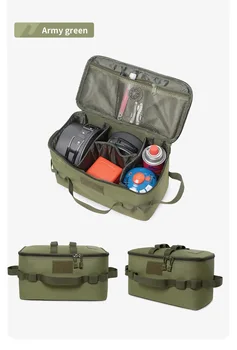
Keep the items you use most often somewhere accessible. Searching through several bags for a cooking utensil or ingredient can make meal preparation unnecessarily frustrating.
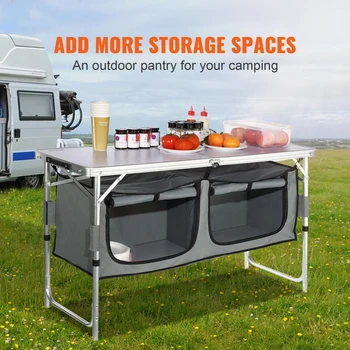
It can also help to organize your cooking area before starting. Keep ingredients, cookware, and cleaning supplies in separate areas so everything is easier to find when you need it.
Try Simple Camping Meal Ideas
Camping meals can be both easy and satisfying without requiring complicated recipes. Focus on dishes that can be prepared with a small number of steps.
1. One-Pot Meals
Meals prepared in a single pot can reduce the amount of cookware you need and make cleanup easier. Simple combinations of grains, vegetables, and other ingredients can create filling meals.
2. Simple Breakfasts
Oatmeal, eggs, toast, or other quick breakfast options can provide an easy start to the day without requiring a lengthy cooking process.
3. Easy Lunches
Sandwiches, wraps, prepared salads, and other simple foods can work well when you want to spend less time cooking during the middle of the day.
4. Quick Camp Dinners
Choose dinner recipes that can be cooked with the equipment you already have. Simple pasta dishes, rice meals, or grilled foods can make a satisfying evening meal without a complicated setup.
5. Ready-to-Eat Options
Not every meal needs to be cooked. Bringing a few foods that can be eaten immediately can be useful when you want a quick meal or when cooking conditions are inconvenient.
Make Cleanup Easier
Cleaning up after a meal can take just as much effort as preparing it if your cooking area is not organized. Taking a few simple steps can make the process faster.
Clean cookware soon after eating rather than allowing food to sit and become difficult to remove. Keep cleaning supplies nearby so you do not have to search for them later.
Try to avoid using more cookware than necessary. Fewer dishes and utensils generally mean less cleanup at the end of the meal.
Always follow the campsite’s rules for washing dishes, disposing of food waste, and managing trash. Keeping your cooking area clean helps protect the environment and makes the campsite more pleasant for everyone.
Preparing meals while camping can be simple when you plan ahead and choose practical foods. Easy-to-handle ingredients, straightforward recipes, an organized cooking area, and a simple cleanup routine can take much of the stress out of outdoor cooking.
You do not need elaborate meals to enjoy eating outdoors. Sometimes, a simple dish shared around a campsite can become one of the most memorable parts of the trip.
Ready to make your next campsite meal easier? Explore Nature Path Expert’s collection of outdoor gear and tools for practical essentials to bring along on your next adventure.


0 Comments