
Outdoor equipment can quickly become difficult to manage when different items are stored together without a system. After several hikes or camping trips, bags, tools, clothing, and accessories can easily end up in different places.
Keeping your gear organized makes it easier to know what you have before your next adventure. It can also help you notice damaged or missing equipment before you actually need it.
Protection is just as important as organization. Dirt, moisture, heat, and improper storage can gradually affect outdoor equipment, especially when items are left packed away after a trip.
Creating a simple storage routine can help your gear stay in better condition and make preparing for future adventures easier. Explore Nature Path Expert’s collection of outdoor gear and tools for practical outdoor essentials.
Give Every Item a Place
A consistent storage system can make outdoor equipment much easier to manage. Instead of putting items wherever there happens to be space, assign specific places for different categories.
Keep hiking accessories together, separate camping equipment from everyday items, and store smaller pieces in suitable containers or bags.
Grouping similar items also makes it easier to see what you have. You are less likely to buy replacements for equipment you already own simply because you cannot find it.
An organized storage system does not need to be complicated. Even a few clearly defined categories can make a noticeable difference.
Clean Gear Before Storing It
Outdoor equipment can collect dirt, dust, mud, and moisture during use. Putting dirty items directly into storage can allow these conditions to remain trapped for longer periods.
Clean equipment according to the manufacturer’s recommendations and remove visible dirt before putting it away.
Wet items should be allowed to dry completely before long-term storage. This is particularly important for fabric, bags, clothing, and other materials that can retain moisture.
A few minutes of cleaning after an adventure can help keep your equipment ready for the next one.
Protect Equipment From Storage Conditions
Where you store your gear can affect how well it holds up over time. Avoid unnecessary exposure to excessive moisture, heat, or direct sunlight.
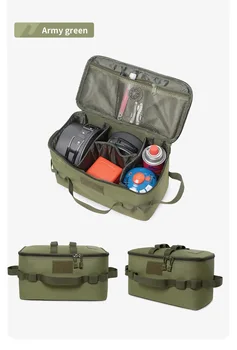
Use suitable bags, containers, or shelves to keep equipment protected and organized. Smaller items can be grouped together so they do not become lost among larger equipment.
Do not overload storage containers either. Equipment can become difficult to access or damaged when everything is packed tightly together.
Good storage gives your gear enough protection while keeping it easy to reach.
Create a Simple Gear Maintenance Routine
Organization becomes easier when you make it part of your regular outdoor routine.
1. Check Gear After Every Trip
Look for dirt, damage, missing pieces, or anything that needs attention before storing your equipment.
2. Dry Everything Properly
Allow damp clothing, bags, and other suitable equipment to dry completely before putting them away.
3. Group Similar Items
Keep related equipment together so you can quickly find what you need for your next trip.
4. Store Small Accessories Carefully
Use compartments, pouches, or small containers to prevent accessories from becoming scattered.
5. Review Your Collection Occasionally
Every so often, look through your equipment and identify items that are damaged, unused, or no longer suitable for your activities.
Organizing outdoor gear is not just about making storage look neat. It makes equipment easier to find, easier to inspect, and easier to maintain.
When your gear has a consistent place and is stored in suitable conditions, you can spend less time searching and more time getting ready for the outdoors.
Ready to give your outdoor equipment a better storage system? Explore Nature Path Expert’s collection of outdoor gear and tools.


0 Comments