Keeping Your Outdoor Gear Organized and Protected

Outdoor equipment can quickly become difficult to manage when different items are stored together without a system. After several hikes or camping trips, bags, tools, clothing, and accessories can easily end up in different places.

Keeping your gear organized makes it easier to know what you have before your next adventure. It can also help you notice damaged or missing equipment before you actually need it.

Protection is just as important as organization. Dirt, moisture, heat, and improper storage can gradually affect outdoor equipment, especially when items are left packed away after a trip.

Creating a simple storage routine can help your gear stay in better condition and make preparing for future adventures easier. Explore Nature Path Expert’s collection of outdoor gear and tools for practical outdoor essentials.

Give Every Item a Place

A consistent storage system can make outdoor equipment much easier to manage. Instead of putting items wherever there happens to be space, assign specific places for different categories.

Keep hiking accessories together, separate camping equipment from everyday items, and store smaller pieces in suitable containers or bags.

Grouping similar items also makes it easier to see what you have. You are less likely to buy replacements for equipment you already own simply because you cannot find it.

An organized storage system does not need to be complicated. Even a few clearly defined categories can make a noticeable difference.

Clean Gear Before Storing It

Outdoor equipment can collect dirt, dust, mud, and moisture during use. Putting dirty items directly into storage can allow these conditions to remain trapped for longer periods.

Clean equipment according to the manufacturer’s recommendations and remove visible dirt before putting it away.

Wet items should be allowed to dry completely before long-term storage. This is particularly important for fabric, bags, clothing, and other materials that can retain moisture.

A few minutes of cleaning after an adventure can help keep your equipment ready for the next one.

Protect Equipment From Storage Conditions

Where you store your gear can affect how well it holds up over time. Avoid unnecessary exposure to excessive moisture, heat, or direct sunlight.

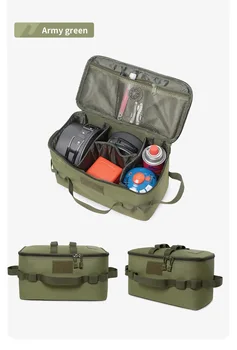
Use suitable bags, containers, or shelves to keep equipment protected and organized. Smaller items can be grouped together so they do not become lost among larger equipment.

Do not overload storage containers either. Equipment can become difficult to access or damaged when everything is packed tightly together.

Good storage gives your gear enough protection while keeping it easy to reach.

Create a Simple Gear Maintenance Routine

Organization becomes easier when you make it part of your regular outdoor routine.

1. Check Gear After Every Trip

Look for dirt, damage, missing pieces, or anything that needs attention before storing your equipment.

2. Dry Everything Properly

Allow damp clothing, bags, and other suitable equipment to dry completely before putting them away.

3. Group Similar Items

Keep related equipment together so you can quickly find what you need for your next trip.

4. Store Small Accessories Carefully

Use compartments, pouches, or small containers to prevent accessories from becoming scattered.

5. Review Your Collection Occasionally

Every so often, look through your equipment and identify items that are damaged, unused, or no longer suitable for your activities.

Organizing outdoor gear is not just about making storage look neat. It makes equipment easier to find, easier to inspect, and easier to maintain.

When your gear has a consistent place and is stored in suitable conditions, you can spend less time searching and more time getting ready for the outdoors.

Ready to give your outdoor equipment a better storage system? Explore Nature Path Expert’s collection of outdoor gear and tools.
Building Your Ultimate Outdoor Adventure Checklist

A good checklist can make preparing for an outdoor adventure much easier. Instead of relying on memory, you can use a simple list to keep track of important tasks and supplies before leaving home. The best checklist is not necessarily the longest one. It should reflect the type of adventure you are planning and include the things that are genuinely useful for that particular trip. A day hike, camping weekend, and longer outdoor adventure will all require different preparations. Creating a...

Essential Hiking Tools for Your Next Trail

The right hiking tools can make certain situations on the trail easier to handle. Unlike general camping equipment, trail tools need to be practical enough to carry while you are walking and useful enough to justify the space they take. Not every hike requires the same equipment. A short trail close to a developed area may require very little, while a longer or less-developed route may call for additional practical items. The most useful tools are those that match the type of trail you are...

Exploring Remote Hiking Trails: What You Should Know

Remote hiking trails offer a different experience from popular routes close to towns and developed areas. They can provide quieter surroundings, fewer people, and a stronger sense of being immersed in nature. At the same time, remote areas may have fewer facilities and less immediate access to assistance. Understanding this difference is important before choosing a trail that takes you farther away from populated areas. The experience can also require more independence. You may encounter...

Setting Up a Campsite for a Better Outdoor Stay

A campsite can feel much more comfortable when everything has a place. Instead of placing equipment wherever there is available space, creating a simple layout can make it easier to move around, prepare meals, relax, and find the things you need. A good campsite setup does not have to be complicated. The goal is to use the available space wisely while keeping important areas separate and easy to access. Thinking about where everything belongs before unpacking can save time later. Your...

Easy Ways to Prepare Meals While Camping

Preparing meals while camping does not have to be complicated. With limited space, outdoor cooking can be much simpler than preparing food at home, especially when you choose meals that require fewer ingredients and less equipment. A good camping meal starts with a little planning. Thinking about what you want to eat, how much preparation each meal requires, and how you will store your ingredients can make cooking at the campsite much easier. Simple meals can also leave you with more time to...

Simple Ways to Make Hiking More Enjoyable

Hiking does not always have to be about reaching the end of a trail or covering a certain distance. Sometimes, the best part of being outdoors is simply enjoying the time away from your usual routine. Taking in the scenery, noticing your surroundings, and giving yourself time to appreciate the trail can make an ordinary hike feel more rewarding. The way you approach a hike can also affect how much you enjoy it. Walking at a comfortable pace, taking breaks when needed, and choosing activities...

Tips for Staying Comfortable in Changing Weather

Weather can change quickly during a hike. A cool morning can turn into a warm afternoon, light clouds can bring rain, or a breezy trail can suddenly feel much colder than expected. These changes can affect how comfortable you feel, especially when you are spending several hours outdoors. You cannot control the weather, but you can make simple choices that help you adjust to it. Paying attention to changing conditions, wearing suitable clothing, and knowing when to take a break can make your...

Useful Camping Tools for Everyday Outdoor Tasks

Useful Camping Tools for Everyday Outdoor Tasks Camping often involves simple tasks that are easier to handle with the right tools. Securing equipment, adjusting a campsite setup, organizing belongings, and handling small outdoor jobs can all become more convenient when you have practical tools within reach. You do not need a large collection of equipment to handle these tasks. A few versatile tools can be useful in different situations, helping you accomplish everyday jobs without filling...

How to Prepare for a Long-Distance Hike

A long-distance hike is very different from a short walk on a familiar trail. Spending several hours on your feet requires endurance, patience, and the ability to maintain a steady pace. Preparing gradually can make the experience more manageable and help you enjoy the journey instead of feeling overwhelmed by the distance. You do not need to be an experienced long-distance hiker to begin preparing. Building your ability over time can help your body adjust to longer periods of walking while...

What to Expect on Your First Overnight Camping Trip

Spending a night outdoors can feel very different from visiting nature for only a few hours. Instead of heading home when the sun goes down, you get to experience the campsite through the evening, overnight hours, and early morning. For a first-time camper, knowing what the experience may be like can make the transition feel much easier. An overnight camping trip also introduces a slower rhythm. Activities that normally take place indoors, such as preparing food, getting ready for bed, and...

0 Comments

Join