
Planning your first outdoor adventure can be an exciting opportunity to step away from your usual routine and experience something new. Whether you are preparing for a day hike, a weekend camping trip, or a simple escape into nature, having a thoughtful plan can make your experience more comfortable and enjoyable. Good preparation allows you to focus less on unexpected challenges and more on the scenery, activities, and moments that make an adventure memorable.
Before heading outdoors, take some time to think about what kind of experience you want. Consider the destination, length of the trip, weather conditions, and activities you plan to enjoy. Your first adventure does not need to be complicated or ambitious. Choosing an experience that matches your abilities can help you build confidence and develop skills for future trips.
The right equipment also plays an important role in preparing for an outdoor adventure. Hiking, camping, and backpacking each require different supplies, so creating a simple gear list based on your plans can help you avoid carrying unnecessary items. Check your equipment before leaving and make sure everything is ready to use.
Ultimately, a successful outdoor adventure starts with preparation but is shaped by the experience itself. Take the time to plan carefully, stay aware of your surroundings, and enjoy the opportunity to explore. Ready to prepare for your next adventure? Explore Nature Path Expert’s collection of outdoor tools and gear to help you get started.
Choosing the Right Destination for Your Adventure
Selecting the right destination is one of the first decisions to make when planning an outdoor adventure. Think about your current experience level, available time, and the type of environment you want to explore. A shorter and well-established trail may be ideal for beginners, while experienced adventurers may prefer longer routes or more remote locations.
Research your chosen destination before setting out. Learn about the trail length, terrain, elevation, available facilities, and any regulations visitors need to follow. Understanding what to expect can help you determine whether the location is appropriate for your plans and what equipment you should bring.
It is also important to consider how you will reach the destination and how much time the entire trip will require. Account for travel, breaks, meals, and time spent exploring instead of focusing only on the main activity. A realistic schedule gives you more flexibility and helps prevent unnecessary rushing.
Choosing a destination that fits your abilities and expectations can make your first adventure much more enjoyable. With a little research and preparation, you can find a place that challenges you without making the experience overwhelming. Ready to explore new places? Discover outdoor products designed to support your next journey.
Preparing Your Gear and Supplies
Once you have chosen your destination, the next step is deciding what to bring. The gear you need will depend on the type and length of your adventure, as well as the conditions you may encounter. Avoid packing simply for the sake of being prepared; instead, focus on items that have a clear purpose.
Hiking Essentials: Day hikes may require basics such as sufficient water, food, navigation tools, weather-appropriate clothing, sturdy footwear, and a first-aid kit. Additional items can be useful depending on the trail and conditions.
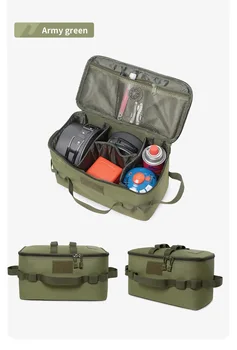
Camping Equipment: Overnight trips require more preparation. Consider the equipment needed for sleeping, shelter, cooking, lighting, and keeping your belongings organized. Make sure you understand how to use your equipment before arriving at the campsite.
Weather Protection: Conditions can change throughout the day, so prepare for the forecast as well as possible changes. Appropriate layers, rain protection, and other weather-ready gear can make a significant difference in comfort.
Organizing your equipment before leaving also makes it easier to find what you need during the trip. Test important gear at home, check for damage, and replace anything that is no longer reliable. Being familiar with your equipment can help you feel more confident once you are outdoors.
Important Steps Before You Leave
A successful outdoor adventure involves more than choosing a destination and packing your gear. Taking a few final steps before departure can help you stay organized and prepared for unexpected situations.
1. Check the Weather Forecast
Review the forecast for your destination before leaving and pay attention to changes that could affect your plans. Heavy rain, strong winds, extreme temperatures, or poor visibility may require additional preparation or a different schedule.
2. Review Your Route
Look over your planned route and identify important points such as trail entrances, rest areas, water sources, campsites, and potential turnaround points. Having a general understanding of the route can make navigation easier and help you manage your time.
3. Tell Someone About Your Plans
Share your destination, planned route, and expected return time with someone you trust. If your plans change, communicate the update when possible. This simple precaution can provide additional peace of mind while you are away.
4. Check Your Equipment
Go through your gear before leaving and make sure everything is clean, functional, and packed securely. Recharge or replace batteries where necessary, inspect equipment for damage, and make sure frequently used items are easy to access.
5. Leave Room for the Unexpected
Even carefully planned adventures can change. Give yourself extra time in your schedule and be willing to adjust your plans if conditions become unsafe or uncomfortable. Knowing when to slow down, turn around, or postpone an activity is an important part of responsible outdoor exploration.
Planning your first outdoor adventure does not have to be complicated. By choosing a suitable destination, preparing the right equipment, checking conditions, and keeping your plans flexible, you can create an experience that feels both exciting and manageable. Every adventure is also a chance to learn what works best for you and prepare for the next one.
Ready to make your first adventure one to remember? Explore Nature Path Expert’s collection of outdoor gear and tools to help you prepare for the trail, campsite, and everything in between.





0 Comments